Open any tech blog. Featured images are stock photos of people staring at screens, generic neural network illustrations, or DALL-E images that all share the same pasty aesthetic. You could swap the images between blogs and nobody would notice.
That's not visual identity. That's generic decoration.
When I built this blog with Claude, I wanted to solve the image problem in a way that a designer with 10 years of experience would consider correct: every image should be inseparable from the content it represents.
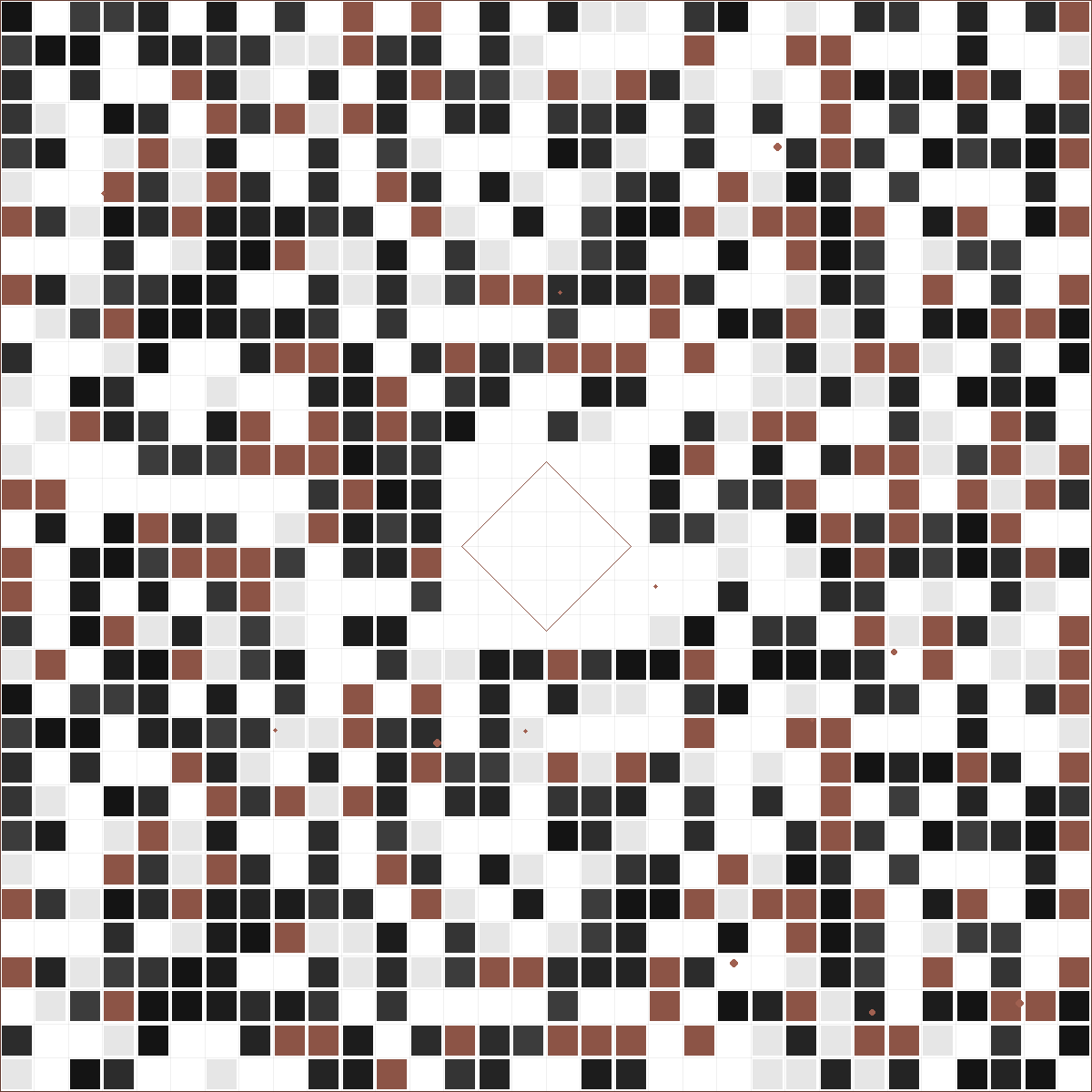
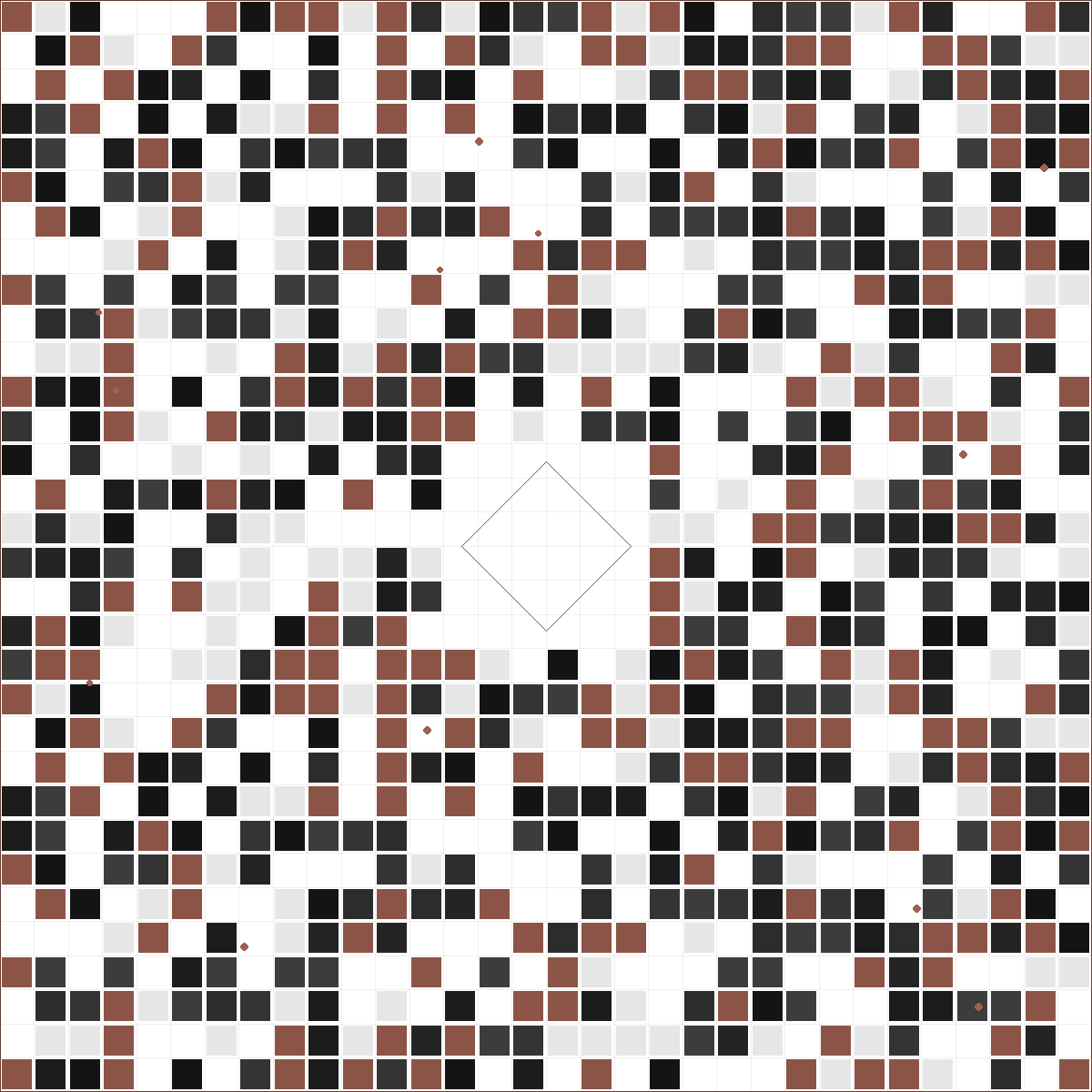
The solution was a generative system. A PHP script that reads each article's title and content, extracts text properties (length, word frequency, structure), and uses those properties as seeds to generate unique shapes, colors, and compositions. Every post produces an image that couldn't belong to any other post.
How the system works
The generator receives two inputs: the post title and a content hash. The title determines the color scheme. The content hash determines the geometry.
For color, the system converts the title to a numeric value using crc32 and maps it to a predefined palette maintaining coherence with the blog's identity (tones derived from #b8a070, the site's accent color). The result is a color scheme that varies per post but always feels part of the same visual family.
For geometry, the content hash decomposes into segments determining the number of shapes, positions, sizes, rotations, and opacities. Longer content produces denser compositions. More headings produce more angular shapes. More lists produce more repetitive patterns.
The result is deterministic. Same content always produces the same image. If I edit the article, the image changes. The image is a visual representation of the content's state.
What this means as design philosophy
As a UX designer with a decade in fintech, I learned that visual identity isn't aesthetics. It's system. A good design system doesn't need a human making visual decisions for every piece of content. It defines rules, and rules generate consistent but unique results.
In a world where AI models evaluate originality and content effort, having images that are a direct function of the text is an authenticity signal that stock photos can't replicate.
Your visual identity shouldn't depend on a stock library or a diffusion model. It should be born from your content. Because if your content is unique, your visual identity should be too.